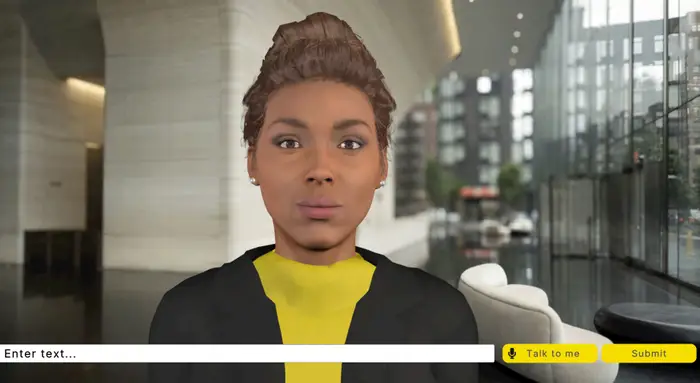
AI Avatars Enter Job Interviews as Candidates and Recruiters
Artificial intelligence is reshaping hiring, with AI avatars now appearing in job interviews—on both sides of the table. Candidates are increasingly using AI-generated avatars to represent them in initial interview rounds, while companies are deploying virtual recruiters to screen applicants, conduct assessments, and answer questions at scale.
For candidates, AI avatars can help overcome language barriers, reduce anxiety, and ensure consistent presentation of skills and experience. These avatars are often powered by large language models trained on resumes, portfolios, and prior interview responses, enabling them to answer role-specific questions in real time. Some job seekers also use avatars to protect privacy during early screening stages.
Employers, meanwhile, are turning to AI interviewers to manage high application volumes. Virtual recruiters can conduct structured interviews, evaluate responses against predefined criteria, and eliminate scheduling bottlenecks. Advocates argue this improves efficiency and reduces human bias by standardizing early-stage evaluations.
However, the trend raises important concerns. Critics warn that avatar-led interviews may introduce new forms of bias embedded in algorithms, obscure authenticity, and blur accountability. Questions are also emerging around disclosure—should candidates be required to reveal when an AI avatar is representing them?
Regulators and HR leaders are beginning to debate ethical boundaries, transparency requirements, and fairness standards. As AI avatars become more sophisticated, interviews are shifting from human-to-human conversations to AI-mediated interactions, signaling a profound change in how talent is assessed.
The future of hiring may hinge on finding the right balance between efficiency, authenticity, and trust in an increasingly automated recruitment landscape.