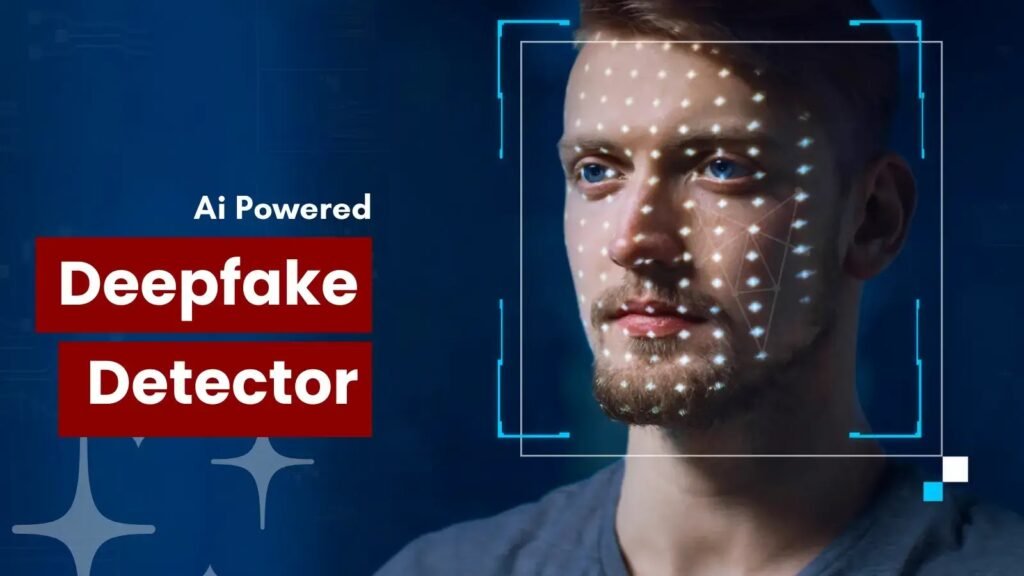


Artificial intelligence–powered deepfakes are rapidly undermining digital trust, creating an entirely new class of identity-driven cyber threats. As synthetic voices, cloned faces, and fabricated videos become nearly impossible to distinguish from reality, organizations are losing a fundamental safeguard — the ability to trust human perception.
“The ability to trust what we see and hear is completely wiped away,” said Jeremy Nelson, CISO for North America at Insight. “We now find ourselves dependent on new mechanisms to fill the gap that deepfakes and AI have created.”
Nelson highlights that business-critical functions such as accounts payable, HR onboarding, and IT helpdesks have become top entry points for attackers. Using generative AI, cybercriminals impersonate CEOs, suppliers, or employees to authorize fraudulent payments, alter payroll instructions, or gain elevated system access.
Generative AI also industrializes social engineering. Attackers can now generate personalized phishing messages, real-time voice clones, and adaptive video deepfakes, enabling them to run hundreds of simultaneous, targeted attacks with unprecedented efficiency.
Nelson argues that traditional, centralized identity systems — built on passwords, OTPs, and static data — are not designed for an era of AI-enabled impersonation. Their single-point-of-failure architecture becomes easy prey for deepfake-driven breaches.
His solution: decentralized identity frameworks combined with real-time biometric verification, providing cryptographically verifiable proof of identity that cannot be faked by AI.
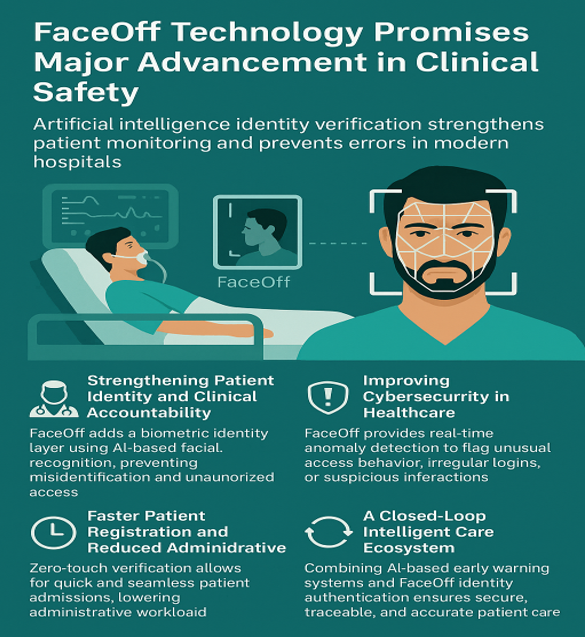
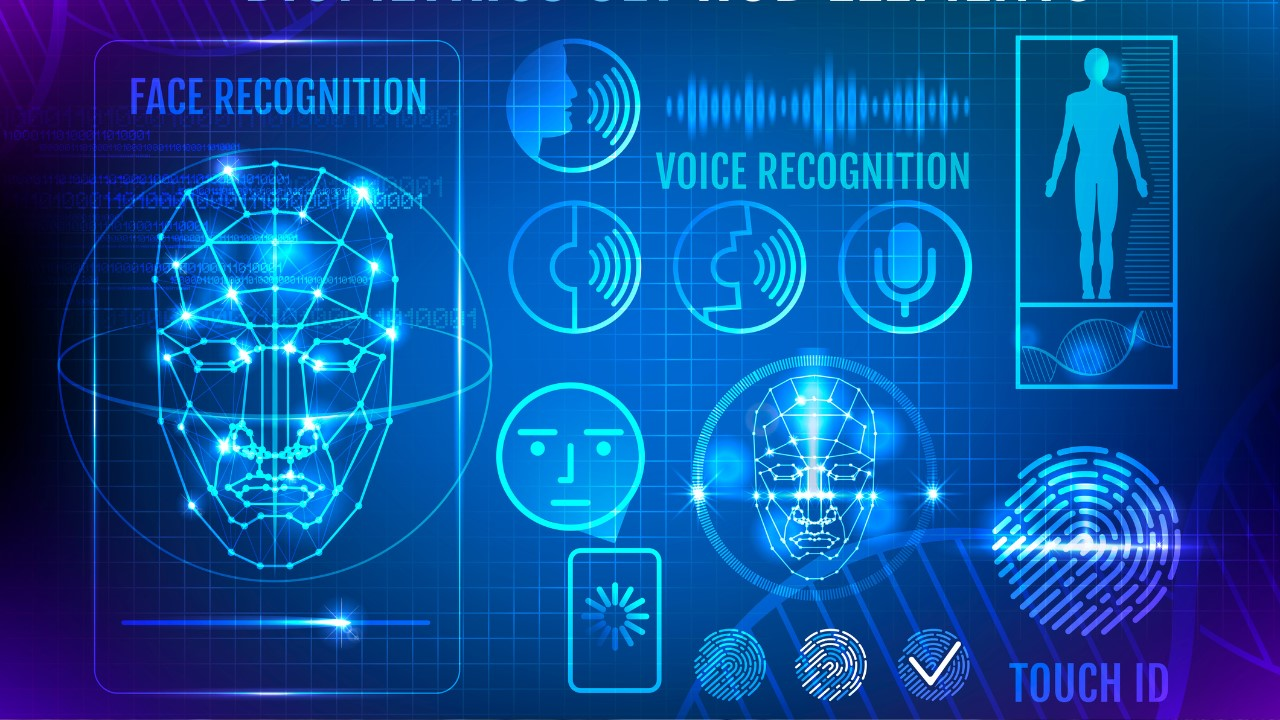
Platforms like FaceOff deliver this next layer of protection through multimodal biometrics, advanced deepfake detection, and continuous behavioural verification. By binding every action to a verified human and detecting synthetic identities in real time, FaceOff provides enterprises with a powerful defense against the escalating wave of deepfake-driven fraud.