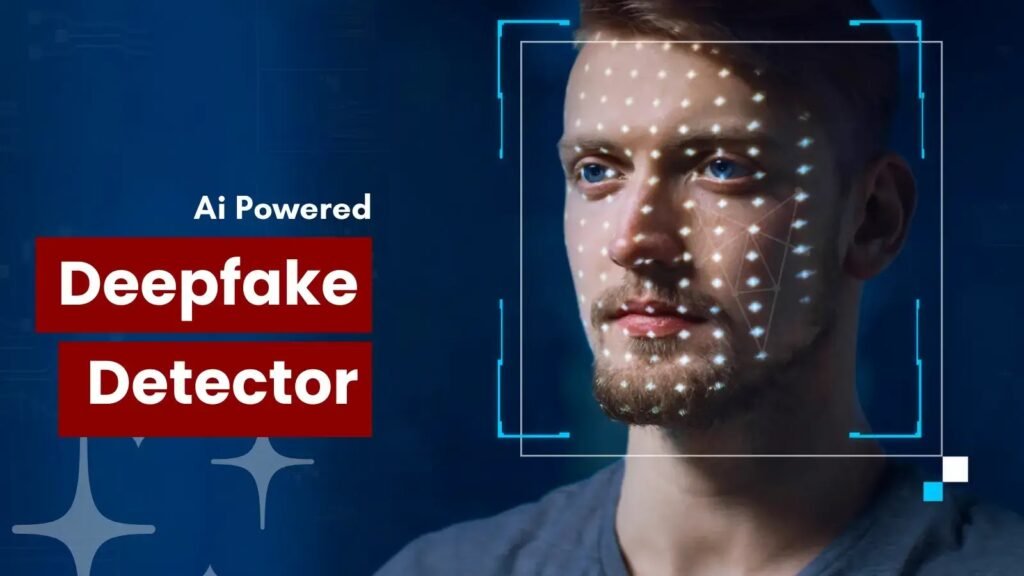


Deepfakes are no longer confined to viral misinformation or political manipulation. They have entered the core of enterprise workflows where live camera feeds are treated as trusted proof. From digital onboarding and account recovery to remote hiring, privileged access, and partner verification, visual identity has become a security perimeter. This evolution forces organizations to move beyond a superficial question—“Does this look fake?”—to a far more critical one: “Can authenticity be verified in real time, without disrupting legitimate user experience?”
Modern attackers are no longer relying solely on better synthetic faces or voices. Instead, they are targeting the capture path itself. Virtual cameras, emulators, rooted devices, and hijacked video streams are increasingly used to inject manipulated content that appears legitimate to traditional detection models. In such scenarios, even highly accurate deepfake detectors can fail if they are blind to how the media was captured and transmitted.
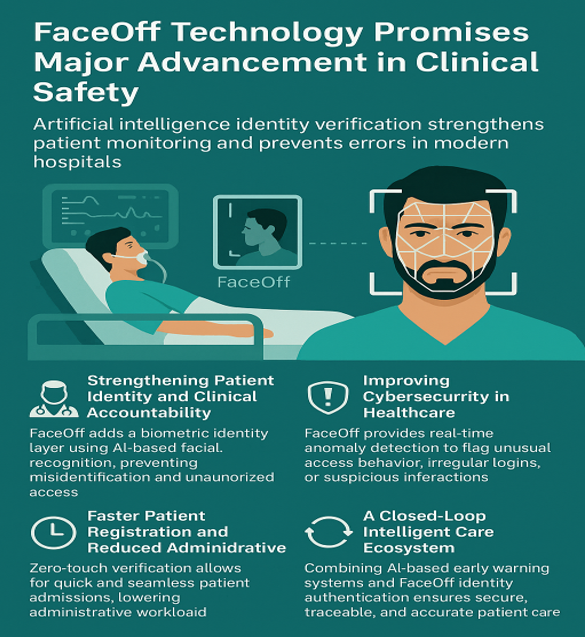
This is where FaceOff redefines enterprise security expectations. Deepfake defense is no longer a single-model challenge; it is a systems-level problem. FaceOff’s approach emphasizes layered, real-time protection that extends beyond media analysis. By combining deepfake detection with device integrity validation and behavioral intelligence, FaceOff ensures that both the content and the context of a verification session are trusted.
Rather than relying on lab-trained models optimized for clean inputs, FaceOff is engineered for real-world conditions—compressed video, low resolution, inconsistent lighting, and adversarial environments. This makes the platform suitable for production-scale deployments where false acceptance can translate directly into financial loss, regulatory exposure, or reputational damage.
The message for enterprises is clear. As identity becomes the new security perimeter, readiness is defined not by benchmark accuracy alone, but by resilience in real-world conditions. FaceOff sets a new standard by aligning deepfake defense with how attacks actually happen—at scale, in motion, and under real operational constraints.