Maduro’s Capture and the Geopolitical Shockwaves
Venezuela–US Tensions: A Dramatic Turning Point
Relations between Venezuela and the United States have long been adversarial, shaped by sanctions, diplomatic isolation, and mutual accusations of illegitimacy. That rivalry entered an unprecedented phase on January 3, 2026, when US forces captured Venezuelan President Nicolás Maduro and First Lady Cilia Flores during a coordinated military operation in Caracas. The move, publicly confirmed by US President Donald Trump, has not only upended Venezuela’s internal power structure but also sent tremors through the international system.
From Containment to Direct Intervention
For years, Washington relied on economic pressure, indictments, and diplomatic recognition of opposition figures to weaken Maduro’s grip on power. The 2026 operation marks a decisive shift from indirect coercion to direct military action. Framed by the US as a law-enforcement mission against an alleged narco-terrorist leader, the capture has intensified debates about sovereignty, regime change, and the limits of unilateral intervention in a multipolar world.
Background to the Crisis: Years in the Making
The roots of this moment stretch back to the Trump administration’s first term, when the US Justice Department indicted Maduro in 2020 on charges related to cocaine trafficking and links to the so-called “Cartel de los Soles.” Venezuela’s contested presidential election in July 2024—widely criticized for irregularities—further isolated Caracas. By mid-2025, Washington had tightened sanctions, increased naval deployments in the Caribbean, and announced a $50 million reward for information leading to Maduro’s arrest. These cumulative pressures set the stage for the January 2026 raid, which the US leadership portrayed as the removal of an entrenched authoritarian figure.
The Capture Operation and the Emerging Power Vacuum
According to US sources, the operation relied on real-time intelligence from within Venezuela’s political establishment, combined with advanced surveillance and special forces deployment. Targeted strikes on military infrastructure reportedly neutralized resistance, allowing for the extraction of Maduro and Flores to the United States to face prosecution.
Inside Venezuela, the immediate aftermath has been marked by uncertainty. Vice President Delcy Rodríguez, constitutionally next in line, faces competing pressures from military commanders, opposition groups, and external actors. President Trump’s statement that the US may temporarily “oversee” stability has heightened fears of prolonged intervention, civil unrest, and humanitarian fallout in a country already suffering from economic collapse and mass migration.
Global Community Reactions: A World Divided
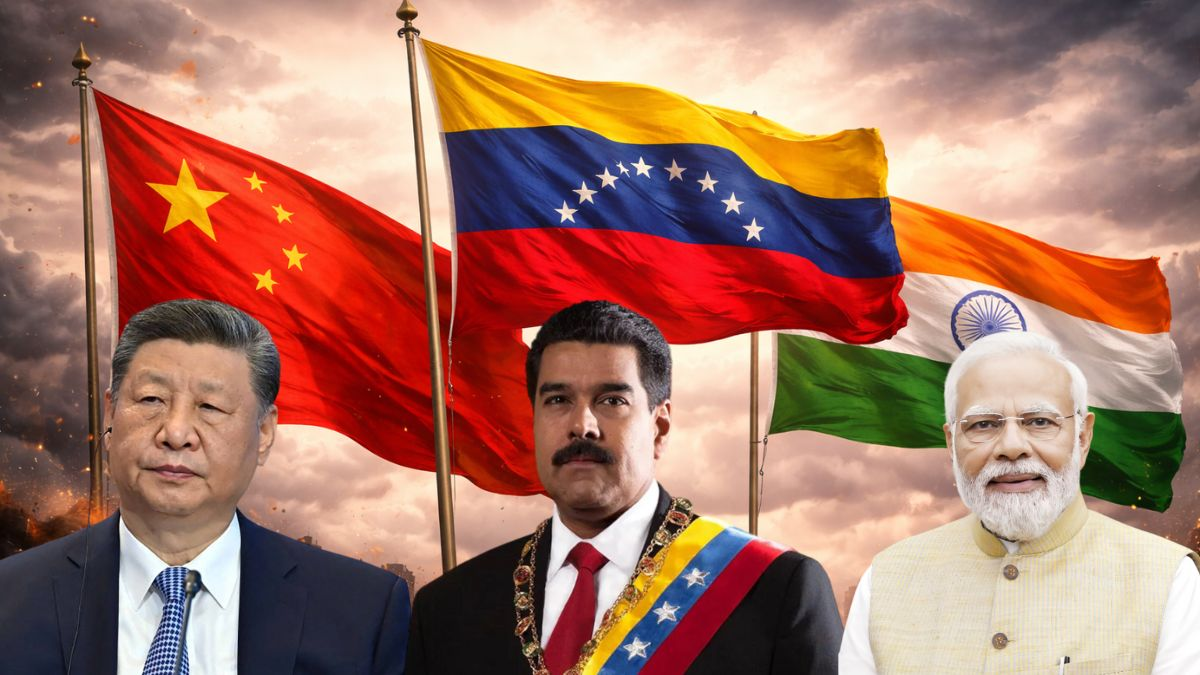
International responses have sharply diverged along ideological and strategic lines. Russia, China, Iran, and Cuba condemned the operation as a blatant violation of Venezuelan sovereignty, warning that it sets a dangerous precedent for armed intervention. Several Latin American governments, particularly those led by left-leaning administrations, echoed these concerns, fearing regional destabilization and refugee flows.
Europe adopted a more nuanced position. While many European leaders acknowledged the damage caused by Maduro’s rule, they expressed discomfort with the method of his removal, emphasizing adherence to international law and the role of the United Nations. US allies, including some right-leaning governments in Latin America and a few partners in other regions, welcomed the development as an overdue end to authoritarianism.
The episode has thus reinforced global fault lines between proponents of sovereignty and non-interference and those prioritizing accountability for alleged crimes by state leaders.
India’s Position: Cautious Neutrality
India has responded with measured restraint. The Ministry of External Affairs described the situation as one of “deep concern,” avoiding explicit endorsement or condemnation of the US action. New Delhi has emphasized the need for dialogue, regional stability, and the protection of civilians, while issuing advisories for Indian nationals in Venezuela and ensuring consular support. This stance aligns with India’s broader foreign policy approach: maintaining strategic autonomy, respecting sovereignty, and focusing on the welfare of its diaspora amid geopolitical turbulence.
Uncertain Outcomes in a High-Stakes Gamble
The capture of Nicolas Maduro represents a watershed in Venezuela–US relations and a bold, risky assertion of American power. While it may close one chapter of authoritarian rule, it opens many unanswered questions about legitimacy, governance, and stability in Venezuela. Globally, the event underscores deep divisions over intervention and international law, with implications extending beyond Latin America to the wider geopolitical order. Whether this moment leads to democratic renewal or prolonged instability will depend on how Venezuela’s transition is managed—and how responsibly global powers navigate the aftermath.