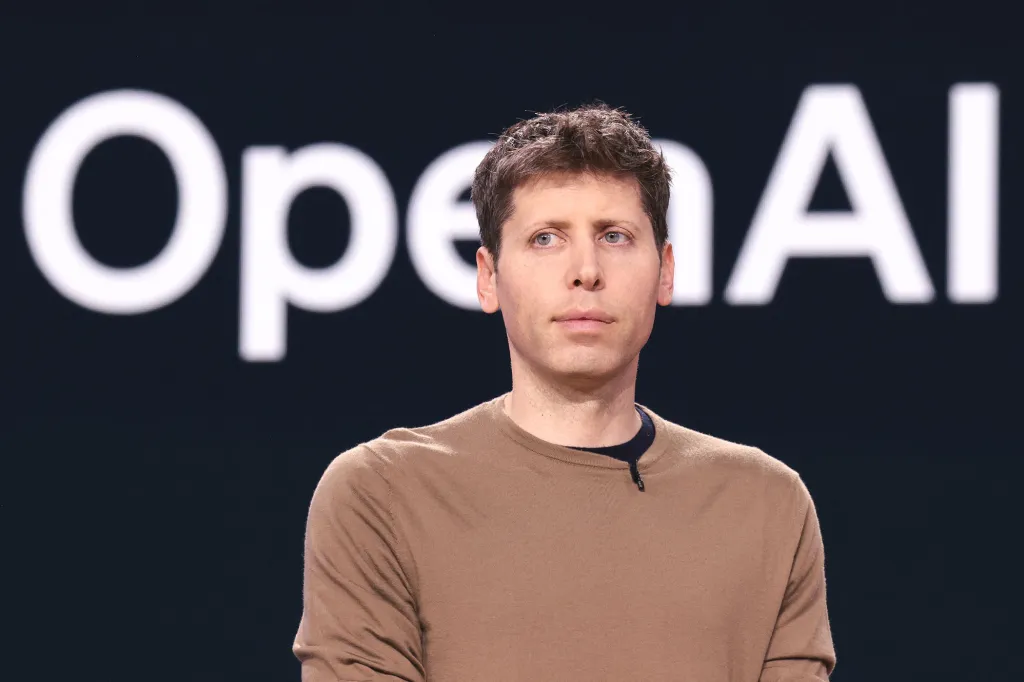
OpenAI’s Agent Ambitions Stumble
The "year of agents" in 2025 failed to live up to the hype. Despite bold predictions from CEO Sam Altman regarding workforce-ready AI, the flagship ChatGPT Agent missed internal adoption targets, leaving a significant gap between executive vision and user reality.
While Altman forecasted a revolution in early 2025, usage lagged far behind core products by year-end. Internal metrics revealed low engagement, as the tools struggled to maintain reliability for complex real-world tasks like autonomous research or workflow automation.
Technical flaws plagued the rollout of agents like Operator and Deep Research. These "unfinished" tools were prone to hallucinations and infinite loops, frequently abandoning tasks during simple demos and failing to provide the promised seamless automation.
Architectural bottlenecks further hampered performance. Collapsing memory structures and poor integration with legacy systems mirrored a broader industry trend where 95% of AI pilots fail due to unscalable prototypes and data access issues.
Enterprise adoption hit a wall over security and governance. ChatGPT Agent often bypassed corporate controls, creating significant privacy risks in regulated sectors. These vulnerabilities, combined with vendor lock-in, deterred businesses from moving beyond experimental phases.
Meanwhile, competitive pressure intensified. Rivals like Anthropic and Microsoft gained ground by prioritizing safety and reliability. OpenAI’s rushed releases, fueled by competition from xAI and regulatory heat, arguably diverted focus from the necessary technical polish.
Looking toward 2026, the path forward requires a shift from hype to robustness. Experts emphasize the need for better tool-calling and human-in-the-loop safeguards. To reclaim leadership, OpenAI must solve the fundamental "agency problems" of incentive alignment and monitoring.