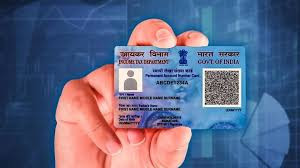
Quick Heal highlights rising PAN card scams in India
Quick Heal has detected a massive spike in PAN card frauds in India. Researchers at Seqrite Labs, India’s largest malware analysis facility, report that cybercriminals misuse stolen Permanent Account Numbers to open fake bank accounts, secure fraudulent loans and siphon government subsidies.This results in billions in illicit gains and shattered financial identities for innocent citizens. These schemes have exploded amid digitised KYC processes, with the Income Tax Department flagging over 1.2 million suspicious PANs linked to shell entities in 2025 alone, enabling everything from benami property deals to layered money laundering that evades traditional detection.
Fraudsters harvest PAN details through phishing emails masquerading as tax refunds, malware-infected tax-filing apps or data breaches from unsecured portals, then pair them with forged Aadhaar scans and deepfake selfies to onboard mule accounts at banks and fintechs. Quick Heal’s threat research exposes brutal tactics like “PAN farming” rings that sell bulk stolen numbers on dark web markets for as low as ₹50 each, fuelling scams such as fake investment platforms or GST refund cons that have defrauded retirees and small businesses of crores. Recent busts in Mumbai and Bengaluru uncovered operations processing thousands of illicit transactions daily, underscoring how PAN misuse has become the backbone of India’s cybercrime economy.
Researchers at Seqrite Labs warn that lax verification norms and public oversharing of PANs on social media or unverified sites have supercharged this crisis, leaving individuals exposed to credit sabotage and tax evasion charges. He emphasised that attackers now automate identity synthesis with AI tools, creating hyper-realistic documents that fool even manual reviews, and called for proactive safeguards to stem the tide before it cripples the formal economy. Quick Heal’s vigilant monitoring continues to track these evolving vectors, from OTP-harvesting calls to QR-code laced refund traps.
Citizens must shield their PAN like a vault key: never share it via email, WhatsApp or unsolicited forms, and verify requesters through official IT portals or NSDL/UTIITSL sites alone. Regularly monitor e-filing dashboards for unauthorised activity, enable two-factor authentication on tax accounts and report anomalies to incometaxindia.gov.in or local cyber cells immediately. Businesses handling PAN data should enforce biometric checks and anomaly detection in onboarding, while freezing linked accounts upon fraud alerts can halt damage in real time.
Quick Heal version26 and AntiFraud.AI deliver frontline defence against these identity heists, with version26 scanning endpoints for phishing lures and data exfiltration attempts targeting PAN details, while AntiFraud.AI leverages machine learning to flag synthetic identities, fraudulent KYC uploads and scam patterns in real time. These innovations empower users and institutions to dismantle fraud chains before they activate.