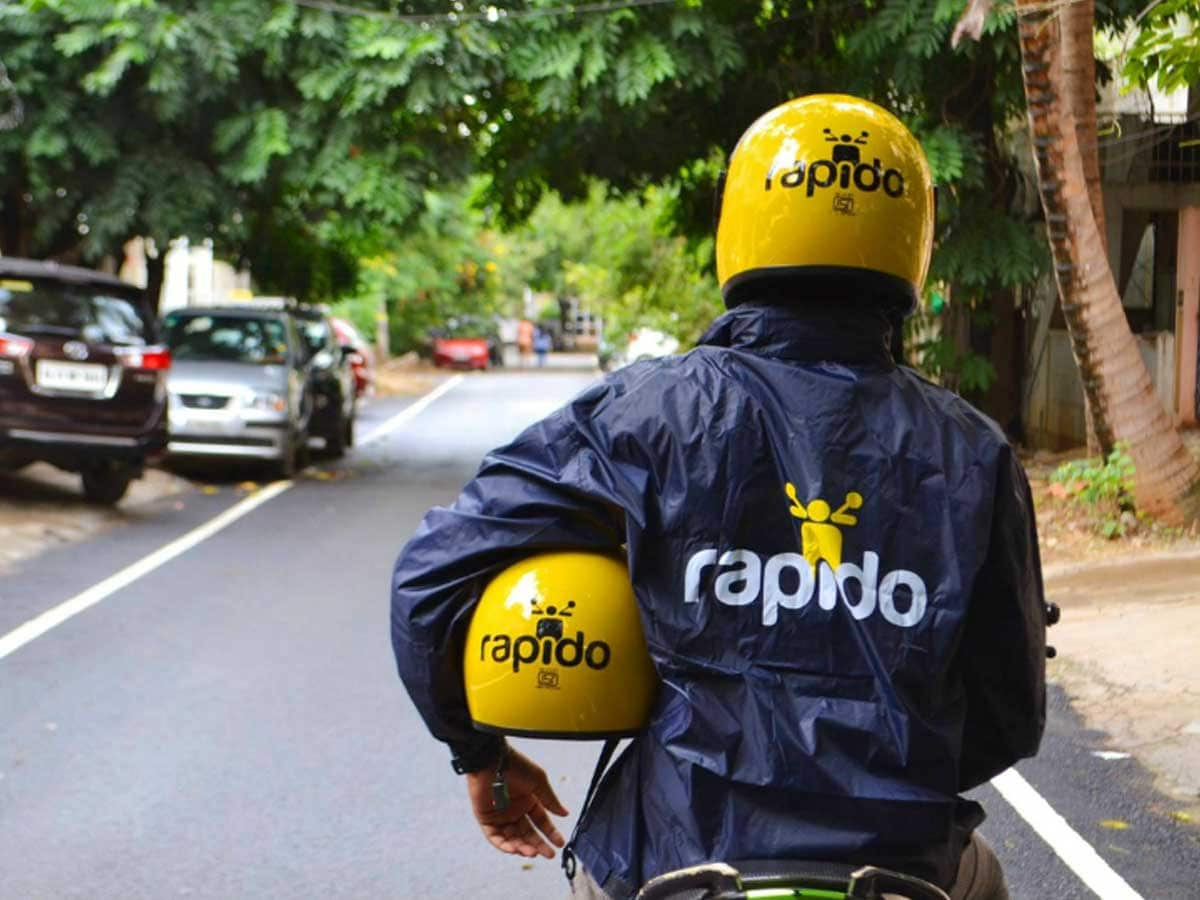
Rapido Driver’s Account Used to Launder ₹330 Crore
A lavish destination wedding at Udaipur’s Taj Aravalli Resort,India in November 2024 has erupted into a major money-laundering controversy. The Enforcement Directorate (ED), while probing illegal betting networks, found that over Rs. 1 crore used for the ceremony of Gujarat youth political figure Aditya Zula was funneled through the bank account of a Rapido bike driver in Delhi.
Despite earning just Rs.500–600 a day, the driver saw a staggering Rs.331.36 crore move through his account between August 2024 and April 2025. ED suspects he either unknowingly lent his account or knowingly participated for commissions. His account effectively became a mule channel receiving betting proceeds linked to offshore platforms like 1xBet.
Investigators uncovered a layering mechanism in which illicit funds were broken into structured deposits and routed through the driver’s account before being diverted via hawala-like pathways. Payments for wedding services were also disguised and processed through the same account using parallel booking entries.
The trail connects directly to ED’s broader probe into offshore betting platforms that rely on gig workers, students, and low-income individuals to circulate funds under the radar. The pattern echoes the Rs.5,000-crore Mahadev betting app network, highlighting the rapid rise of mule accounts within India’s digital ecosystem.
Individuals who allow their accounts to be used for laundering face severe penalties under PMLA, including up to 10 years in jail, asset seizure, and presumed knowledge of wrongdoing. IPC charges such as cheating and forgery may also apply.
Secondary consequences include account freeze, passport impoundment, and long-term restrictions on banking and credit access. Ignorance rarely offers protection without proactive reporting.
This case serves as a wake-up call for Digital India, emphasizing the urgent need for stronger KYC enforcement, financial awareness, and AI-driven monitoring to prevent vulnerable citizens from becoming conduits for massive financial crimes.