
Trump’s Tariff Reset After Supreme Court Blow
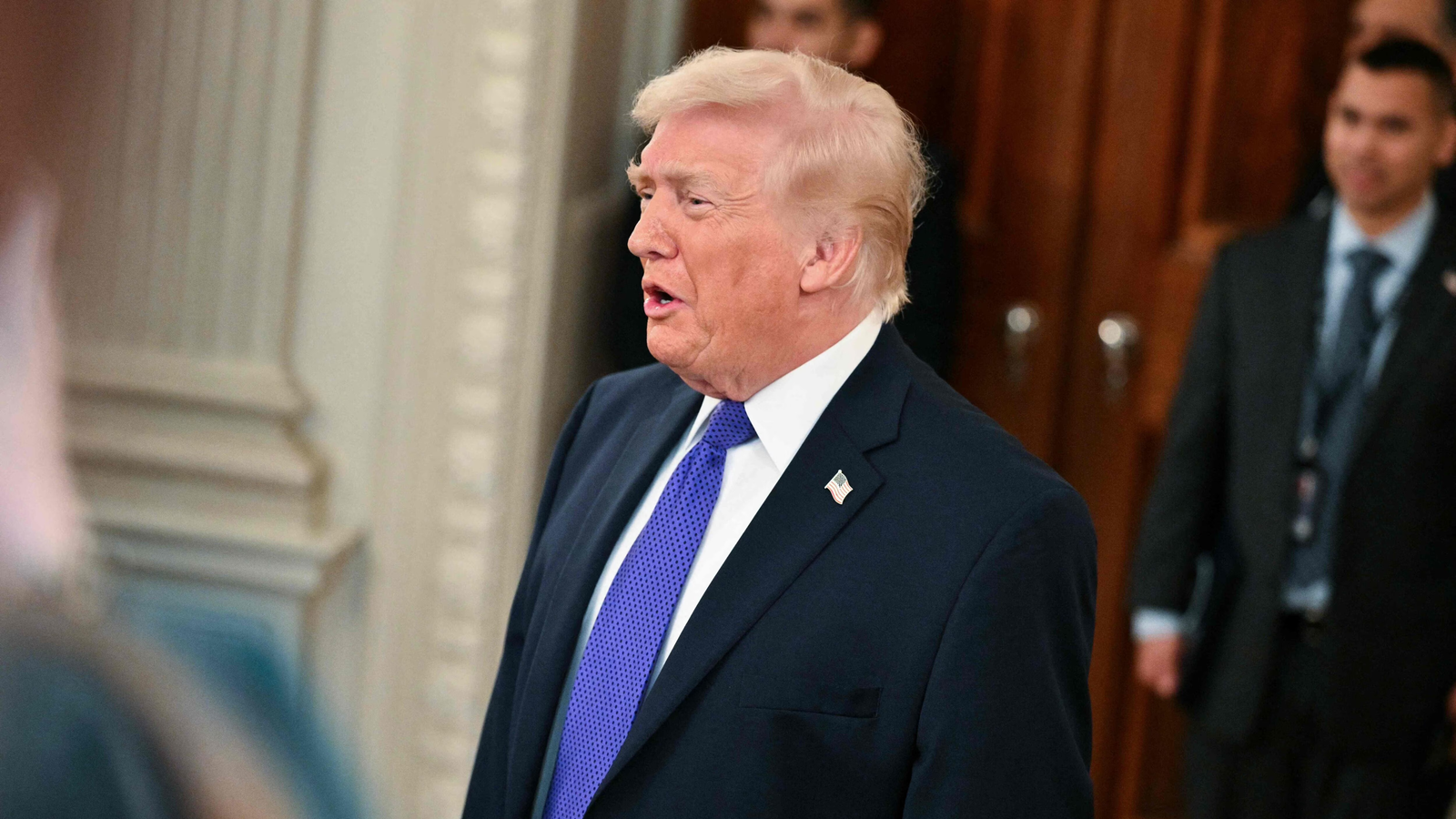
In a defining constitutional moment, the U.S. Supreme Court ruled on February 20, 2026, that President Donald Trumpexceeded his authority by using the International Emergency Economic Powers Act (IEEPA) to impose sweeping global tariffs. In a 6–3 decision, the Court reaffirmed that the power to levy taxes and tariffs rests with Congress, rejecting the administration’s expansive interpretation of emergency economic authority.
The ruling disrupts a core pillar of Trump’s “America First” trade strategy, invalidating executive tariff actions that had intensified global trade tensions throughout 2025. The President sharply criticized the decision, framing it as judicial overreach that undermines economic sovereignty.
Within hours, the administration pivoted to Section 122 of the Trade Act of 1974—a lesser-used statute allowing the President to impose temporary import surcharges of up to 15% to address serious balance-of-payments concerns. Unlike other trade mechanisms that require formal investigations, Section 122 can be deployed quickly. However, its authority is limited to 150 days unless Congress approves an extension.
This tactical shift reflects an effort to preserve leverage over trading partners while navigating the Court’s constraints. Yet it also highlights structural limits: Section 122 offers short-term maneuverability, not long-term policy control.
The episode underscores a broader constitutional tension between executive ambition and legislative authority. As legal battles continue and economic uncertainty grows, the confrontation has become a critical test of presidential trade power in Trump’s second term.