Investigators highlight urgent need for stronger protection tools as artificial intelligence driven deception targets investors
A major cybercrime investigation has uncovered a large scale investment scam that used advanced artificial intelligence generated deepfake videos to target unsuspecting investors.
The scheme succeeded by exploiting trusted advertising access inside a well known digital advertising firm, allowing the content to circulate widely on social media platforms before detection.
Authorities stated that several senior employees of the firm allegedly assisted foreign operators by providing them with privileged advertising access normally reserved for trusted business partners. This privileged status allowed the fraudulent advertisements to pass through automated filters with limited scrutiny.
Deepfake Videos Used to Mislead Viewers
Investigators reported that the scam relied heavily on highly realistic videos created using advanced artificial intelligence tools. These videos imitated well known financial commentators and business presenters with remarkable accuracy. The videos reproduced the tone, expressions and speaking style of real experts, convincing many viewers that they were watching authentic financial advice.
The deepfake videos promoted a fake investment scheme. Once viewers clicked on the advertisements, they were directed to messaging groups controlled by foreign handlers. Victims were shown fabricated dashboards and manipulated profit screenshots to create the impression of guaranteed profits. People were encouraged to deposit money into unrelated accounts and were later blocked or ignored when they asked for withdrawals.
The scammers vanished after collecting large sums of money.
How the Scam Avoided Detection
Investigators discovered that the foreign group did not interact directly with the advertising platform. Instead, they used the access of a domestic advertising agency that had been granted privileged advertiser status. This status provided quicker approvals, larger spending limits and minimal manual checks.
When the platform eventually raised alerts about suspicious activity, the individuals involved rapidly increased the number of advertising accounts to stay ahead of enforcement measures. Even after several accounts were blocked, the operation briefly shifted through another foreign intermediary.
The Foreign Network Behind the Operation
The supposed client presented itself as an entity located in a respected global business center. Investigators later found that the technical infrastructure was actually based in a different country. The financial pattern matched earlier international cybercrime operations, suggesting the involvement of a larger foreign network.
The structure followed a common strategy:
This multi step process allowed the fraud to continue undetected for a considerable period.
Role of Domestic Employees
Authorities reported that several employees of the advertising firm knowingly provided access to the foreign operators. They allegedly assisted in running the paid campaigns and even expanded the operation after the platform flagged irregularities. Some accounts belonging to former employees were still active and were misused as part of the operation.
Official sources indicated that the employees received payment for facilitating the scam.
A New Level of Digital Deception
Experts believe this is the first major case in the region where deepfake video was used at such scale in a financial fraud scheme. Earlier scams typically relied on voice imitation, fake chats or manipulated screenshots. This case introduced a new danger: complete video based impersonation distributed through trusted advertising channels.
This marks a shift in cybercrime:
This evolution increases the difficulty of detection for both users and platforms.
Systemic Weaknesses in the Advertising Ecosystem
The investigation uncovered several serious vulnerabilities:
Weak identity verification
Foreign operators were able to use domestic advertising access without strong checks.
Relaxed review for trusted partners
High trust accounts receive quick approval and minimal manual review.
Ineffective deepfake detection
Artificial intelligence generated videos are advancing faster than detection technology.
Excessive dependence on automated systems
Automated review systems struggle to detect advanced manipulation techniques.
Experts warn that unless platforms strengthen their controls, similar frauds will continue to emerge.
Why Detection Failed
Advertising platforms publicly claim to use artificial intelligence, forensic analysis and human reviewers. However, investigators noted that:
These factors combined to allow the fraudulent content to spread widely.
How FaceOff Can Help Prevent Such Scams
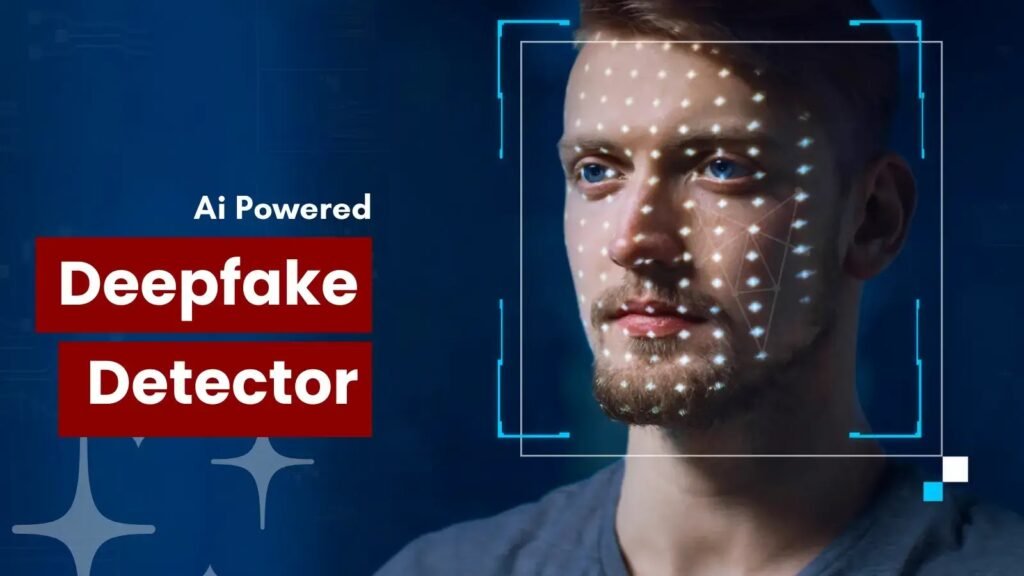
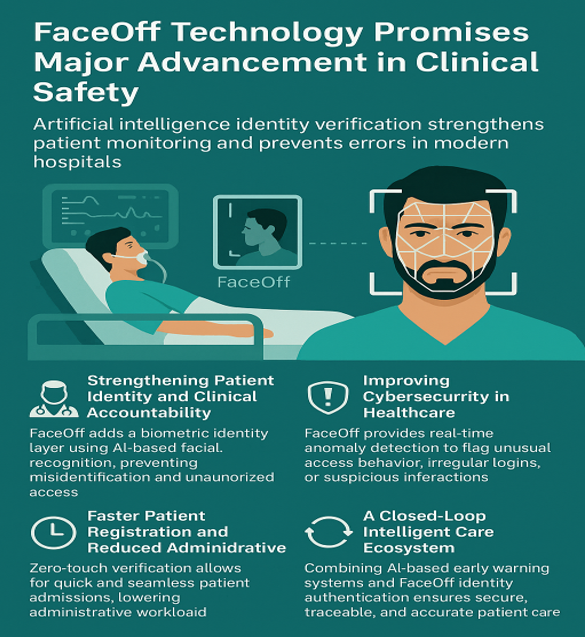
Cyber experts point out that modern platforms require independent verification tools to identify artificial intelligence generated content. One such tool is FaceOff, a digital authenticity service that identifies manipulated video and audio content in real time.
FaceOff can be useful in the following ways:
Detection of artificial intelligence generated faces
FaceOff uses advanced pattern analysis to identify synthetic facial movements, unnatural eye behavior and subtle irregularities that human eyes cannot detect.
Verification of genuine identity
FaceOff can compare a person in a video with verified identity sources. This helps determine whether the face, voice or expressions belong to the real person or are artificially created.
Protection for advertising platforms
Social media companies can integrate FaceOff into their review systems. This would allow automatic detection of manipulated content in paid advertisements before approval.
Support for law enforcement
FaceOff can help investigators assess whether a video used in a crime is authentic. This makes it easier to track foreign operators who rely on artificial intelligence based deception.
User awareness and confidence
If platforms display verification badges or warnings when FaceOff detects manipulated content, users can make informed decisions before trusting financial advertisements.
Early threat identification
FaceOff can flag repeated patterns of artificial intelligence manipulation, helping platforms quickly detect coordinated campaigns like the one uncovered in this case.
FaceOff cannot stop all cybercrime, but experts believe it can significantly reduce the spread of manipulated content and limit the reach of foreign cyber groups before they cause large scale financial damage.
Public Advisory
Authorities advise citizens to be cautious of investment advertisements circulating on social media. They urge users to verify information through official financial channels and to report suspicious content to cybercrime helplines or local police stations.
A Wake Up Call for the Digital World
This incident highlights that artificial intelligence does not only enable innovation. It also empowers skilled cybercriminals. As advanced artificial intelligence generated content becomes more realistic, platforms, regulators and users must stay vigilant.
The case demonstrates that the real threat is not only the technology itself but also the weaknesses in digital systems that allow such technology to be misused.
Experts agree on one message:
Without stronger verification tools like FaceOff and better oversight, similar scams will continue to grow in scale and complexity.