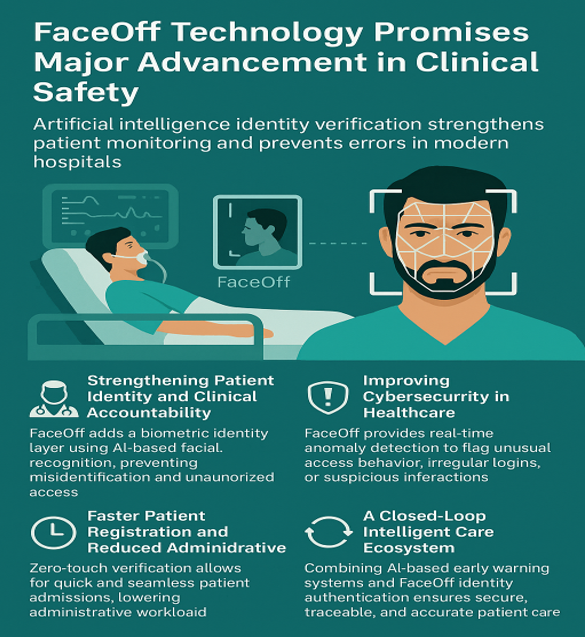
As the Union Public Service Commission moves to mandate facial recognition at exam centres, solutions like FaceOff Technologies can play a critical role in ensuring that biometric verification is not only effective, but also privacy-preserving, resilient, and legally compliant.
1. High-Accuracy, Exam-Grade Facial Verification
FaceOff’s AI-driven facial recognition engines are designed for high-stakes environments such as BFSI, telecom, and government systems. For UPSC, this means accurate one-to-one matching between a candidate’s live face capture at the exam venue and their registration image—reducing false positives and false rejections that can cause last-minute stress for aspirants.
2. Anti-Spoofing and Deepfake Protection
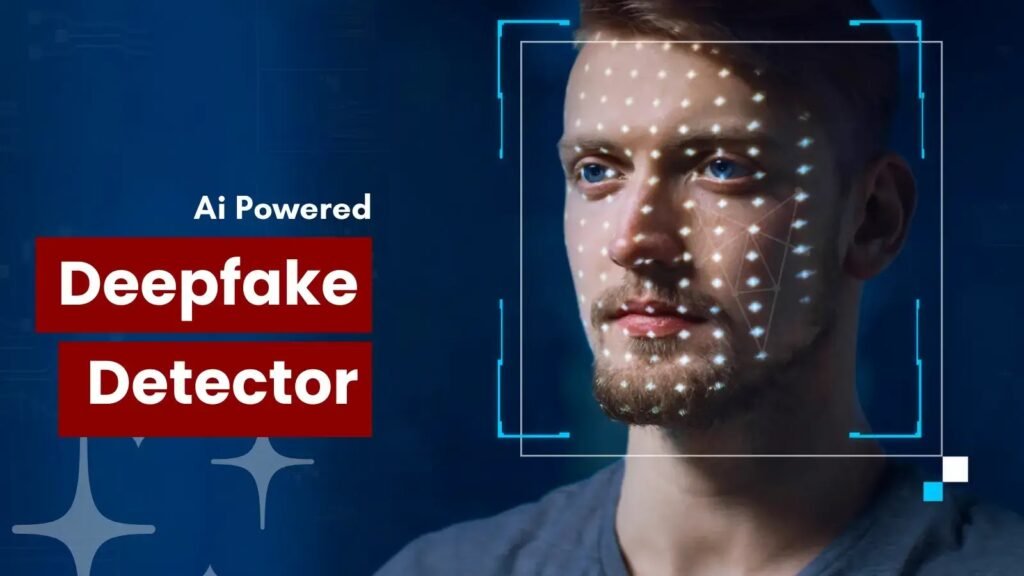
One of the biggest risks in biometric exams is spoofing using printed photos, masks, or AI-generated deepfakes. FaceOff’s liveness detection and deepfake-resistance models can detect presentation attacks in real time, ensuring that only genuine, physically present candidates are authenticated.
3. Privacy-by-Design Architecture
Facial data is highly sensitive. FaceOff supports privacy-first deployments where biometric templates are encrypted, tokenised, and processed without storing raw facial images. This aligns with India’s data protection principles and helps UPSC define clear data-retention and deletion policies after verification is complete.
4. Edge-Based and Offline Capability
Exam centres often face connectivity constraints. FaceOff’s solutions can operate at the edge—allowing facial verification to work even with limited or no internet access—and sync securely once connectivity is restored. This ensures smooth operations across urban and remote centres alike.
5. Auditability and Transparency
For an institution like UPSC, audit trails are essential. FaceOff can provide verifiable logs showing when and how authentication occurred, without exposing biometric data. This strengthens transparency, supports grievance redressal, and builds trust among candidates.
6. Scalable, Pan-India Deployment
With lakhs of candidates appearing across thousands of centres, scalability is crucial. FaceOff’s modular architecture allows UPSC to deploy facial recognition uniformly nationwide, while retaining the flexibility to fall back on manual verification in edge cases.
UPSC’s move signals a broader shift toward biometric trust frameworks in public examinations. By integrating solutions such as FaceOff, the commission can strike a balance between security and civil liberties—reducing impersonation and fraud while safeguarding candidate privacy.
In essence, FaceOff can help UPSC transform facial recognition from a mere enforcement tool into a trusted, transparent, and citizen-centric verification system, fit for India’s most prestigious examinations.