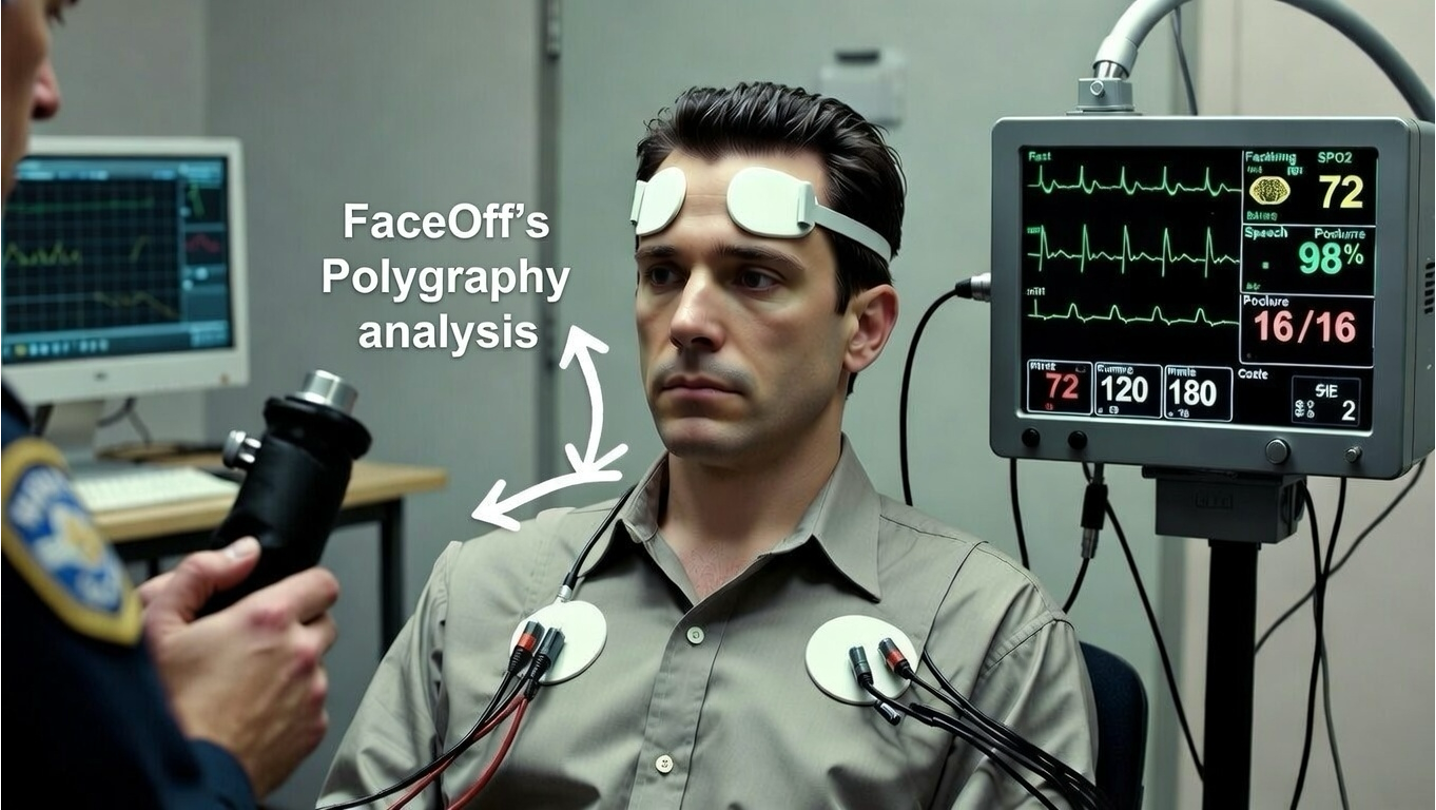
Artificial intelligence is transforming productivity, communication, and creativity at record speed. However, alongside these gains, growing dependence on AI is exposing individuals, businesses, and institutions to serious risks. Deepfake-driven fraud alone has surged by more than 2,000% in the last three years, costing victims millions through impersonation scams. From financial crime and biased hiring to emotional and cognitive harm, experts warn that unchecked AI use could weaken trust and human judgment.
An expert from TRG Datacenters stresses that AI must be seen strictly as a tool—not a companion, moral authority, or flawless source of truth. When relied on blindly, AI can erode creativity, weaken education, and cause real-world damage. While automation can free time and resources, certain responsibilities still require human oversight and accountability.
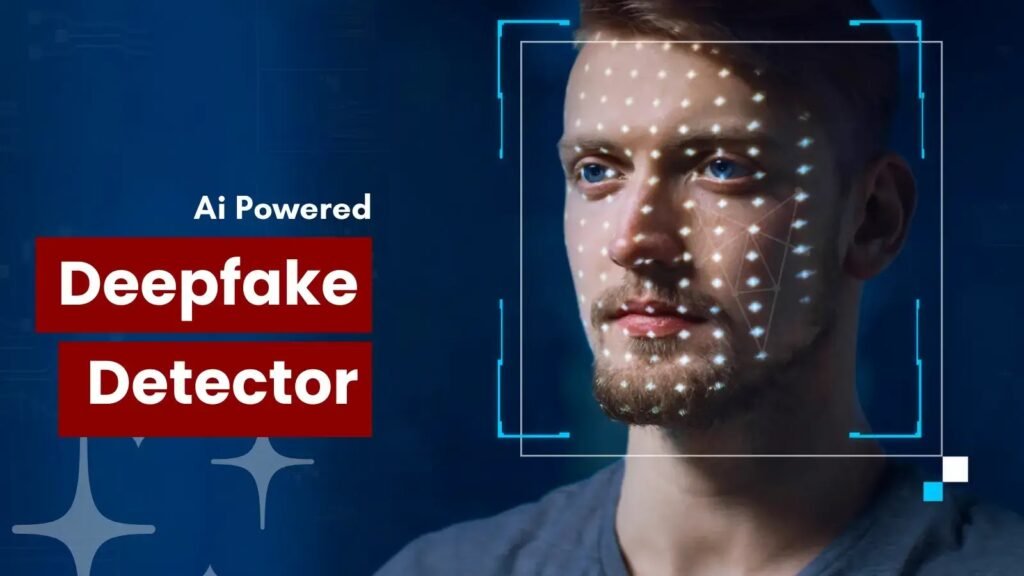
One of the most alarming threats is AI-powered fraud. Deepfakes have enabled criminals to impersonate executives, clone voices, and generate highly convincing legal or banking communications. High-profile losses, such as the £20 million fraud suffered by engineering firm Arup, highlight how sophisticated these scams have become. Verified payment systems, digital watermarking, and liveness detection are now critical defenses.
AI’s growing role in recruitment also presents challenges. With candidates using AI to optimize résumés and employers using AI to screen them, hiring risks becoming a machine-versus-machine process that overlooks genuine talent and reinforces bias. Human review and bias audits remain essential.
Meanwhile, AI chatbots used for emotional support raise ethical concerns, especially for children. Lacking true emotional intelligence, they can unintentionally reinforce harmful thoughts.
Ultimately, responsible AI use demands vigilance, human judgment, and adaptive regulation—ensuring technology strengthens human potential rather than diminishing it.