Artificial Intelligence is increasingly proving its value by helping organizations drive revenue growth, improve productivity, and reduce operational costs. As enterprises accelerate AI adoption, the focus is shifting from experimentation to real-world business impact. However, a critical challenge is emerging: balancing innovation with safety.
The recent unveiling of Anthropic's Claude Mythos has brought this debate into sharp focus. Positioned as one of the most advanced AI models ever developed, Mythos offers unprecedented reasoning, cybersecurity, and autonomous problem-solving capabilities. Yet concerns surrounding its potential misuse have triggered regulatory scrutiny and access restrictions, highlighting the growing tension between capability and control.
At the heart of the issue is the role of AI guardrails. While safeguards are essential to prevent misuse, excessive restrictions can limit the ability of developers and enterprises to unlock the full potential of advanced AI systems. Organizations building next-generation applications often find themselves constrained by safety mechanisms designed for broad public deployment rather than specialized enterprise use cases.
This challenge is particularly relevant for India, which is rapidly emerging as a global AI innovation hub. From cybersecurity and digital identity to financial services and public infrastructure, Indian enterprises and startups are seeking AI systems capable of operating with greater autonomy, contextual understanding, and adaptability. Restrictive models could slow innovation precisely when the country is positioning itself as a leader in AI-driven transformation.
The broader industry lesson is clear: safety and capability should not be viewed as competing priorities. Instead, AI governance must evolve toward frameworks that enable responsible innovation while preserving flexibility for enterprise and national-security applications. Future AI success will depend on creating systems that are both powerful and trustworthy.
The controversy surrounding Mythos also signals a larger geopolitical shift. Governments are increasingly treating frontier AI models as strategic assets, similar to semiconductors, quantum technologies, and critical infrastructure. This trend is accelerating interest in sovereign AI initiatives and indigenous technology development.
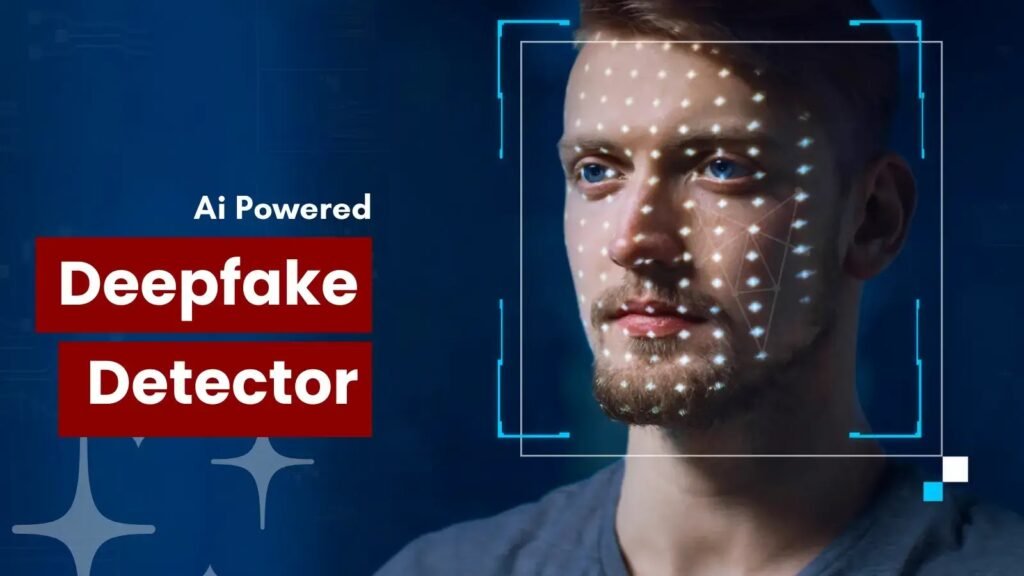
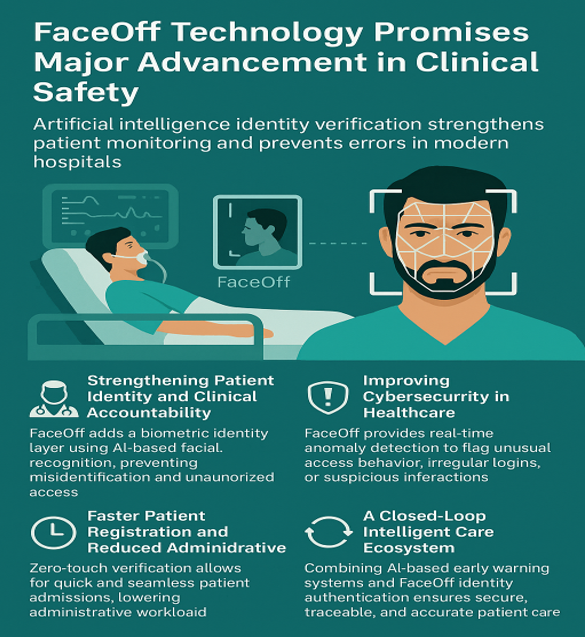
In this evolving landscape, FaceOff Technology is addressing one of the most urgent challenges of the AI era—trust. Its AI-powered authenticity platform combines deepfake detection, behavioral biometrics, and Human-in-the-Loop validation with Post-Quantum Cryptography to verify the authenticity of video, voice, and digital interactions. By integrating advanced AI observability, identity assurance, and quantum-resilient security, FaceOff is helping organizations combat synthetic fraud, establish digital trust, and build secure AI ecosystems for the future.